What Is the EYFS Framework?
A Simple Guide for Parents
If your child attends nursery or is getting ready to start, you may have heard staff mention the EYFS. But what does it mean, and what does it have to do with your child’s day?
In this guide, we’ll explain the Early Years Foundation Stage in straightforward terms: what it covers, how children learn through it, and how parents can work with their child’s setting.
What Does EYFS Stand For?
EYFS stands for the Early Years Foundation Stage. It’s a framework that sets standards for children’s learning, development, care and safety from birth to age five in England. It helps ensure that children receive the support and opportunities they need during their early years.
Through the EYFS, children are encouraged to interact with others, helping them develop communication, confidence and social skills. All registered early years settings (including our Welwyn Garden City nursery!) follow the EYFS framework to guide their practice.
It’s not a single teaching method or a set of worksheets, but a framework for supporting children’s overall development through play, exploration and everyday experiences.

What Do Children Learn Through The EYFS
The main purpose of the EYFS is to give children a strong foundation for their future learning, development and well-being. It was created to ensure that children receive consistent, high-quality care and learning opportunities during their early years, when their brains are developing rapidly, and they begin building essential life skills.
The framework encourages children to learn through play, exploration, interaction and everyday experiences rather than relying solely on formal lessons. It also helps early years practitioners understand each child’s individual needs, interests and stage of development, allowing them to provide appropriate support and encouragement.
The EYFS covers seven areas of learning and development, which work together to support children’s overall growth:
- Communication and Language: Children develop their listening, understanding and speaking skills through conversations, storytelling, singing and group activities. These experiences help them express their thoughts, communicate their needs and build relationships with others.
- Personal, Social and Emotional Development: Children learn to understand and manage their feelings, build positive relationships and develop confidence. They are also encouraged to become more independent, share with others, take turns and make simple decisions.
- Physical Development: Children develop their movement, coordination and physical abilities through activities such as running, climbing, dancing, drawing and playing outdoors. They also begin learning about healthy habits, personal hygiene and self-care, including dressing and feeding themselves.
- Literacy: Children are introduced to books, stories, rhymes, songs and early writing activities to develop their interest in reading and writing. They begin recognising letters and sounds, understanding stories and making marks as early steps towards writing.
- Mathematics: Children explore numbers, counting, patterns, shapes, measurements and quantities through everyday activities and play. For example, they might count toys, sort objects by size or colour, build with blocks or compare how many items they have.
- Understanding the World: Children learn about the people, communities, places and environments around them. Activities such as nature walks, exploring different materials, celebrating cultural events and using age-appropriate technology help them understand the world they live in.
- Expressive Arts and Design: Children are encouraged to express their ideas and creativity through art, music, movement, role-play and imaginative activities. They can experiment with different materials, explore sounds and colours, create artwork and use their imagination to tell stories.
These seven areas are interconnected, meaning children often develop several skills through a single activity. For example, building with blocks can encourage mathematical thinking, physical coordination, communication and creativity at the same time.
This is why the EYFS places importance on providing varied, engaging experiences that allow children to learn and develop at their own pace.
How Do Children Learn Through The EYFS
Children learn through the EYFS using a combination of play, exploration, everyday routines, and guidance from adults. Learning does not always happen through structured activities; simple experiences can help children develop important skills.
Early years practitioners observe children’s interests, abilities and development to plan suitable activities and provide support where needed. They understand that every child develops at a different pace, so the EYFS is not a checklist that parents need to work through at home. Practitioners can also use Development Matters – GOV.UK, non-statutory guidance that offers suggestions for supporting children’s learning and development. It is not a mandatory curriculum or a test, but a resource to help practitioners make informed decisions about children’s learning experiences.
How Can Parents and Guardian Support EYFS at Home?
If you’re a parent, it’s important to understand that the EYFS plays an integral role in your child’s development, but there’s no need to recreate nursery activities or formally teach the EYFS at home.
Simple everyday experiences can make a big difference, such as reading stories together, singing songs, chatting about the day and playing games. You can also involve your child in age-appropriate routines, such as choosing their clothes, tidying away toys or helping prepare a snack, to encourage independence and confidence.
Following your child’s interests is another great way to make learning enjoyable. Give them time to play, get creative, explore the outdoors and discover new things at their own pace. You can also share your child’s interests, observations or any concerns with nursery practitioners so you can work together to support their development.
More ideas on supporting your child to grow:
Book a Visit to 4Kidz Childcare
At 4Kidz Childcare, we follow the EYFS framework to support every child’s learning and development through play, exploration and everyday experiences. We work closely with parents to ensure children feel happy, safe and supported as they grow. For more information, visit our parent information page.
Would you like to see how we put the EYFS into practice? Book a nursery tour and explore our rooms, meet our team, and discover what makes 4Kidz Childcare a great place for your child to learn and grow.

EYFS FAQs for Parents
What does EYFS stand for?
EYFS stands for the Early Years Foundation Stage. It is a framework that sets standards for children’s learning, development, care and safety from birth to age five in England.
What are the seven areas of learning in the EYFS?
The seven areas are:
- Communication and language
- Personal, social and emotional development
- Physical development
- Literacy
- Mathematics
- Understanding the world
- Expressive arts and design
Does the EYFS mean children have lessons at nursery?
No. Children learn mainly through play, exploration, everyday routines and interactions with adults and other children. Activities are designed to support their development in an enjoyable, age-appropriate way.
Do all nurseries follow the EYFS?
All registered early years providers in England must follow the EYFS statutory framework. It sets standards for children’s learning, development, care and safety.
Recent Blog Posts
- All Posts
- Blog
- News
- Uncategorised
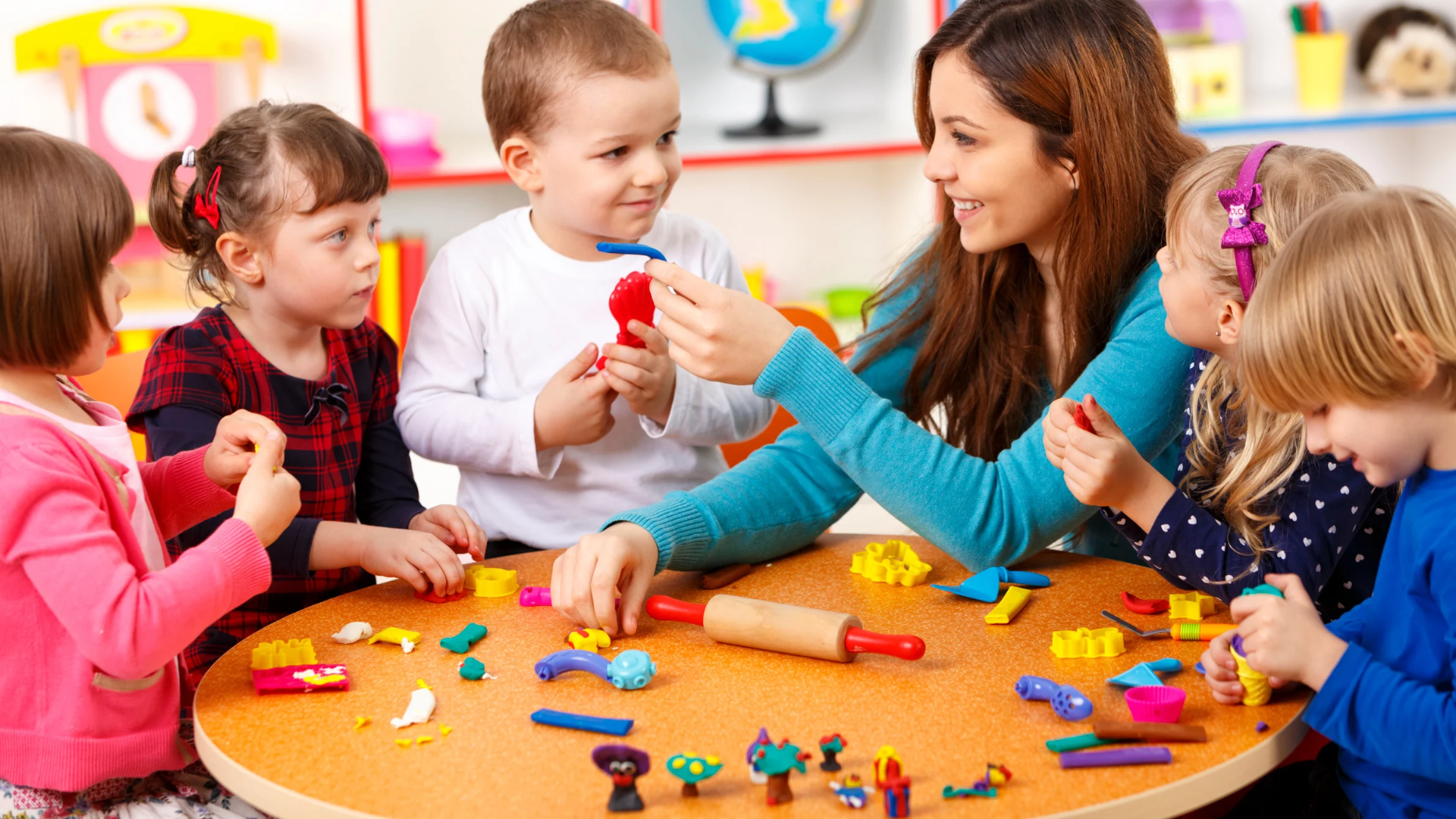
Find out what the EYFS framework is, what children learn and how nurseries use it to support early development, wellbeing...
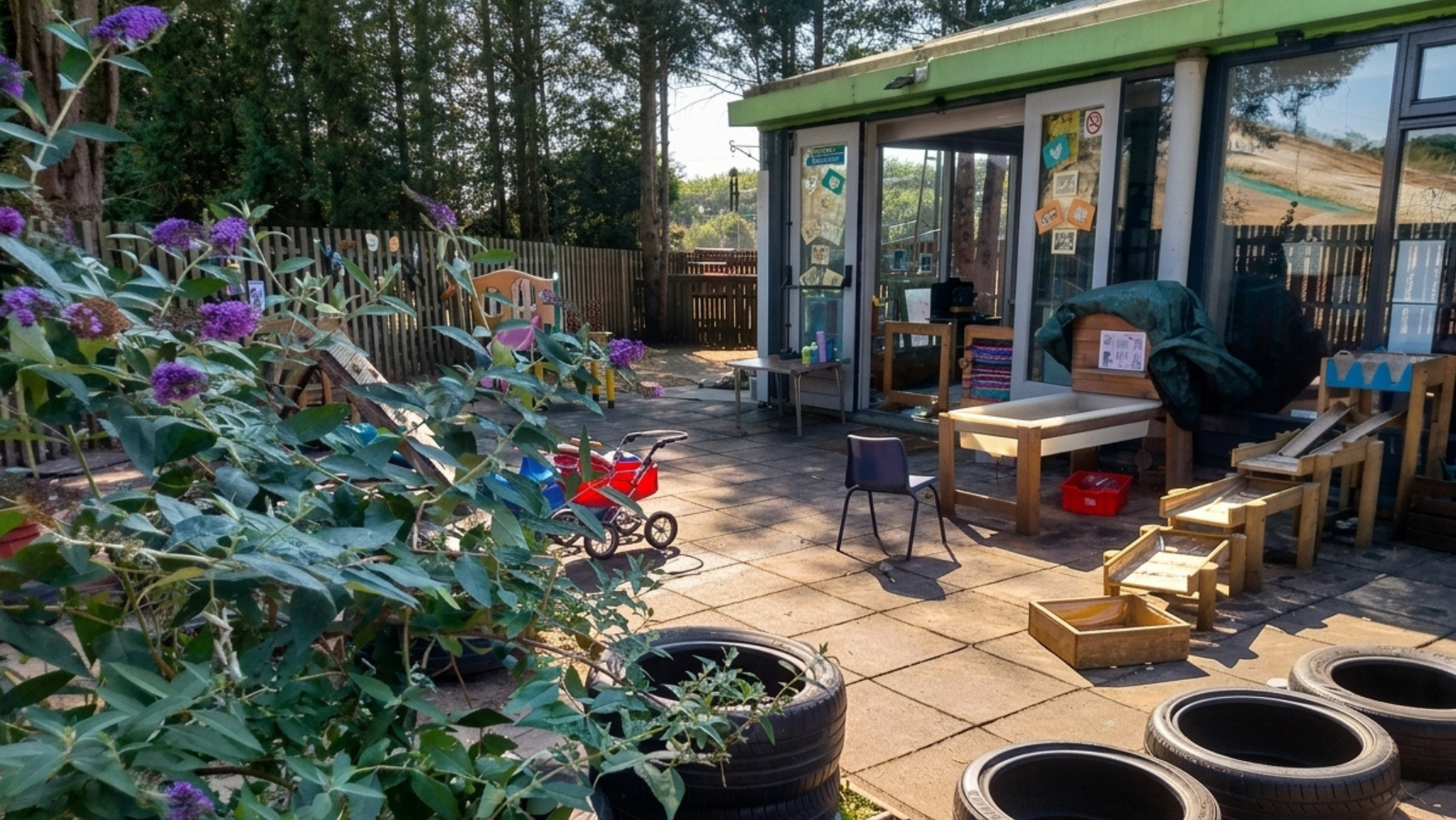
Nursery, childminder, preschool or playgroup? Compare early years childcare options and discover what may work best for your child and...
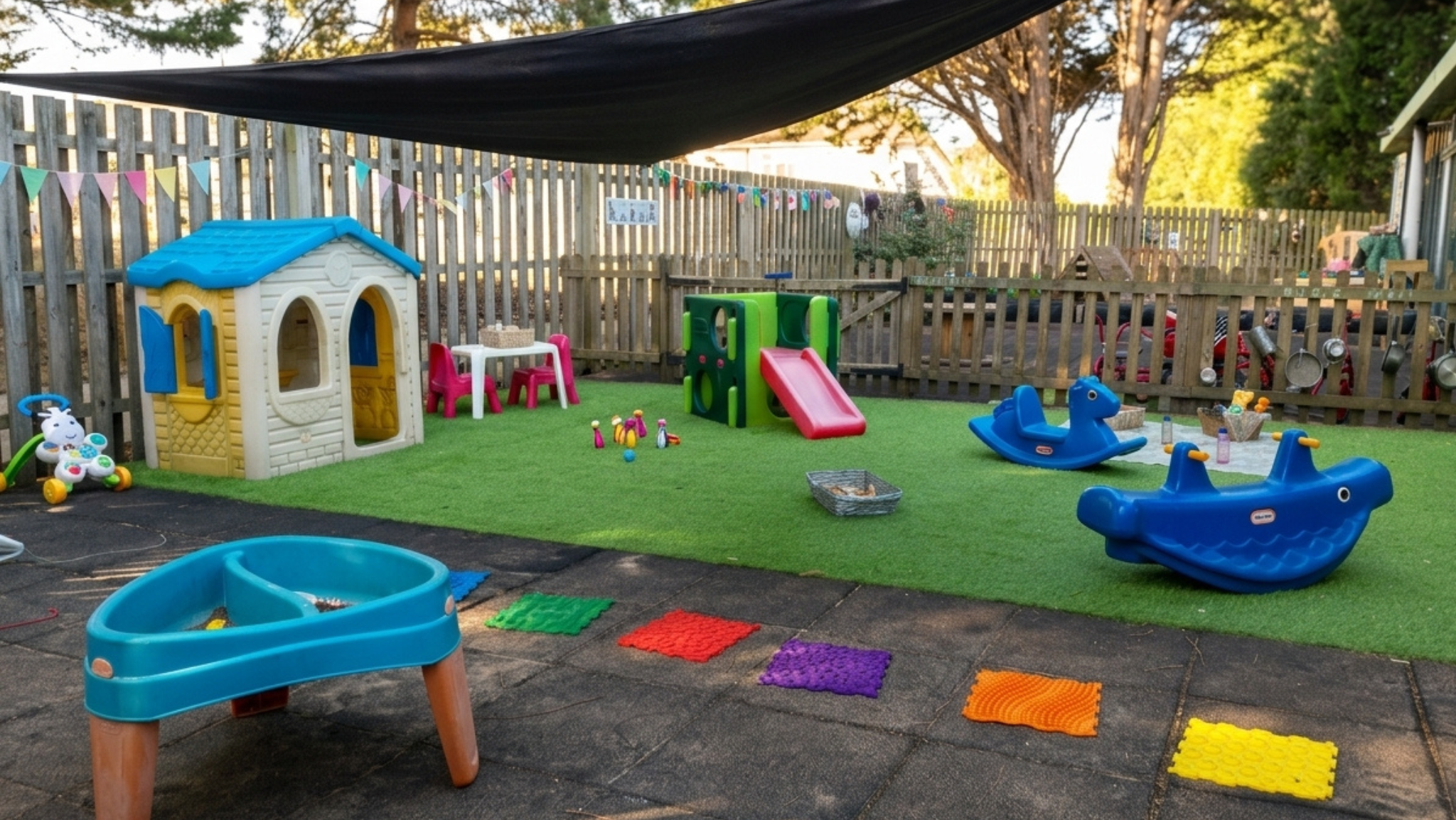
Help your child settle into nursery with practical tips for easing anxiety, preparing for their first day and creating a...