When Do Most Children Utter Their First Words?
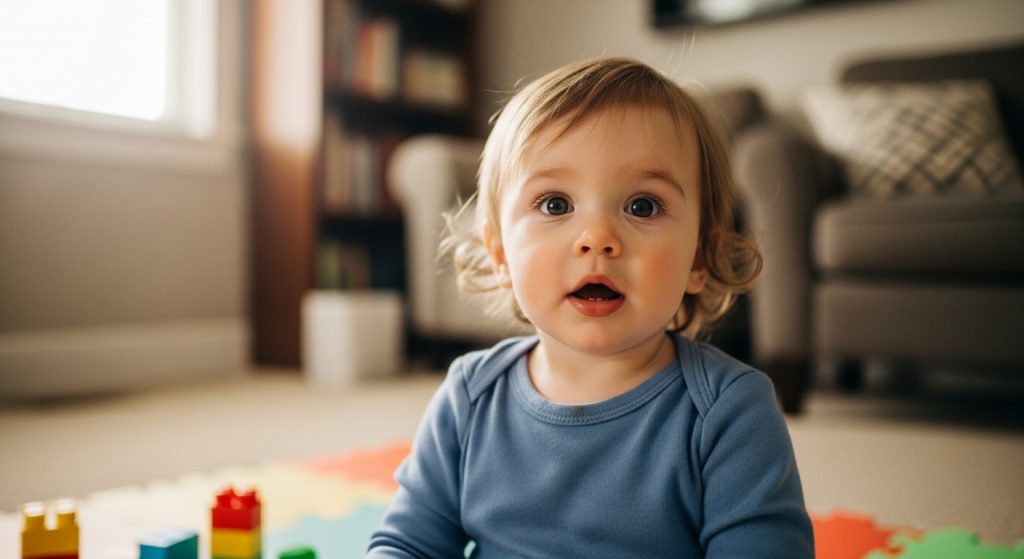
Watching your child speak their first real word is a thrilling milestone. While each child develops at their own pace, there are typical patterns that many families see. This guide explains what you might expect, and how you can support your child’s language journey.
Understanding the Pre-Speech Stage
From birth, children begin to tune into language by listening, smiling, pointing and making sounds. Before any clear words appear, they often babble—creating vowel and consonant combinations and practising the rhythms of speech. By about 8 – 10 months, they may start to understand familiar terms, their own name or simple instructions.
The First Word Often Comes Between One and One‑and‑a Half Years
Most children gradually move from babble to actual speech. Research indicates that many toddlers say their first intentional word somewhere between 10 and 14 months of age. That might be “mama”, “dada”, “dog”, “bye‑bye” or something meaningful and used consistently.
What’s Typical After That?
- Around the age of 12 to 18 months, children start naming familiar people or objects and may build a small vocabulary of single words.
- By 18 to 24 months many children know at least ten to fifty words and begin combining them into simple two‑word phrases (“more juice”, “mum come”).
- By 2 years old, their understanding and speech tend to become steadily richer, and they’re often eager to express themselves more.
How You Can Encourage Speech Development
- Talk frequently with your child—describe what you’re doing, name objects, narrate daily routines.
- Read together regularly; pointing to pictures and repeating words helps build vocabulary.
- Respond and expand on what they say: if they say “ball!”, you might reply: “Yes, that’s a red ball — can you bounce the red ball?”
- Sing and rhyme—songs and nursery rhymes emphasise sounds and word patterns that support speech.
- Be patient and supportive—some children speak earlier or later than peers, and the rate at which they pick up words can vary a lot.
When to Seek Advice
It’s helpful to check in with a health visitor or speech‑and‑language specialist if:
- By 14 months or so your child isn’t babbling or showing interest in communicating.
- By around 24 months they have few words and are not combining them or interacting verbally.
- You notice issues such as hearing difficulties, persistent use of gestures rather than words, or limited interaction.
Final Thoughts
There is no exact “right” age when every child says their first word—variation is entirely normal. What matters most is that your child is listening, responding, babbling, and gradually beginning to use words and sounds. With your encouragement, everyday talk becomes a powerful tool for their speech and language development.
If you’re ready to give your child a nurturing, creative, and joyful start, consider 4Kidz Childcare—where little ones explore, learn, and grow every day.
👉 Ready to book a visit? Fill out the Famly Enquiry Form and our nursery staff will contact you.
You can also reach us on 01707 817 404 or [email protected]
Recent Blog Posts
- All Posts
- Blog
- News
- Uncategorised

Spending quality time with your children doesn't require elaborate plans or expensive outings. Sometimes, the most memorable moments are born...

Are you looking at how to apply for free childcare hours in the UK? Read our easy to follow guide...

Confused about nursery funding? Learn how funded childcare works, who is eligible, and how to claim your free childcare hours...