Raising Polite and Respectful Children

Teaching children good manners is more than memorising phrases—it’s about helping them develop respect, kindness and consideration for others. By embedding polite behaviour into everyday routines, parents can give children a strong foundation for positive social interactions throughout life. 

1. Model Polite Behaviour

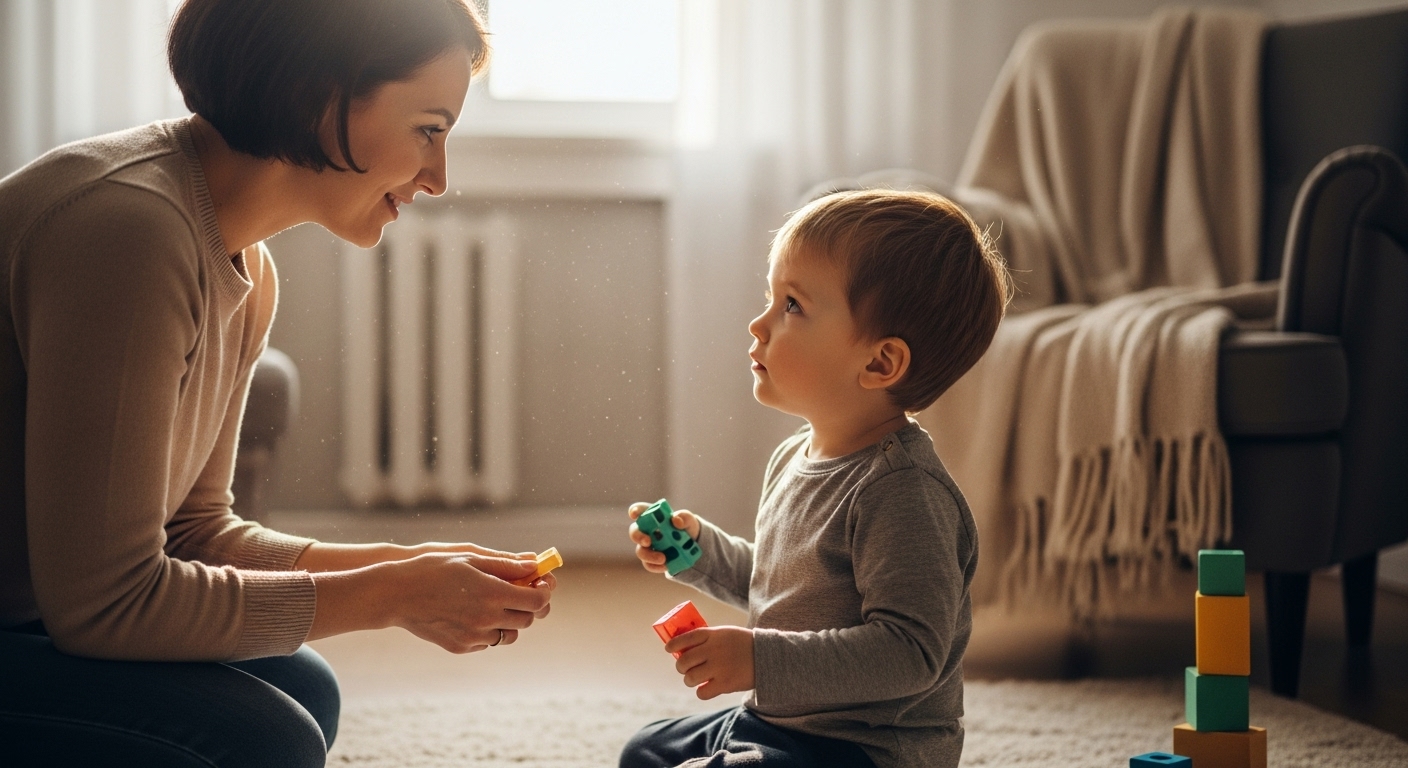
Children learn by watching the adults around them. Using words like “please”, “thank you” and “excuse me” in daily interactions sets a clear example. When children see these phrases used consistently, they are more likely to adopt them naturally in their own behaviour. 

2. Encourage Sharing and Cooperation

Sharing toys, taking turns, and helping others are all important aspects of manners. Parents can create opportunities for cooperative play, praise acts of kindness, and gently guide children when conflicts arise. Over time, children develop empathy and understand the value of consideration for others. 

3. Use Positive Reinforcement

Acknowledging polite behaviour motivates children to continue it. Simple praise, such as “I really liked how you said thank you” or “Well done for helping your friend”, reinforces good manners and encourages them to repeat these behaviours. 

4. Teach Social Rules in Everyday Situations

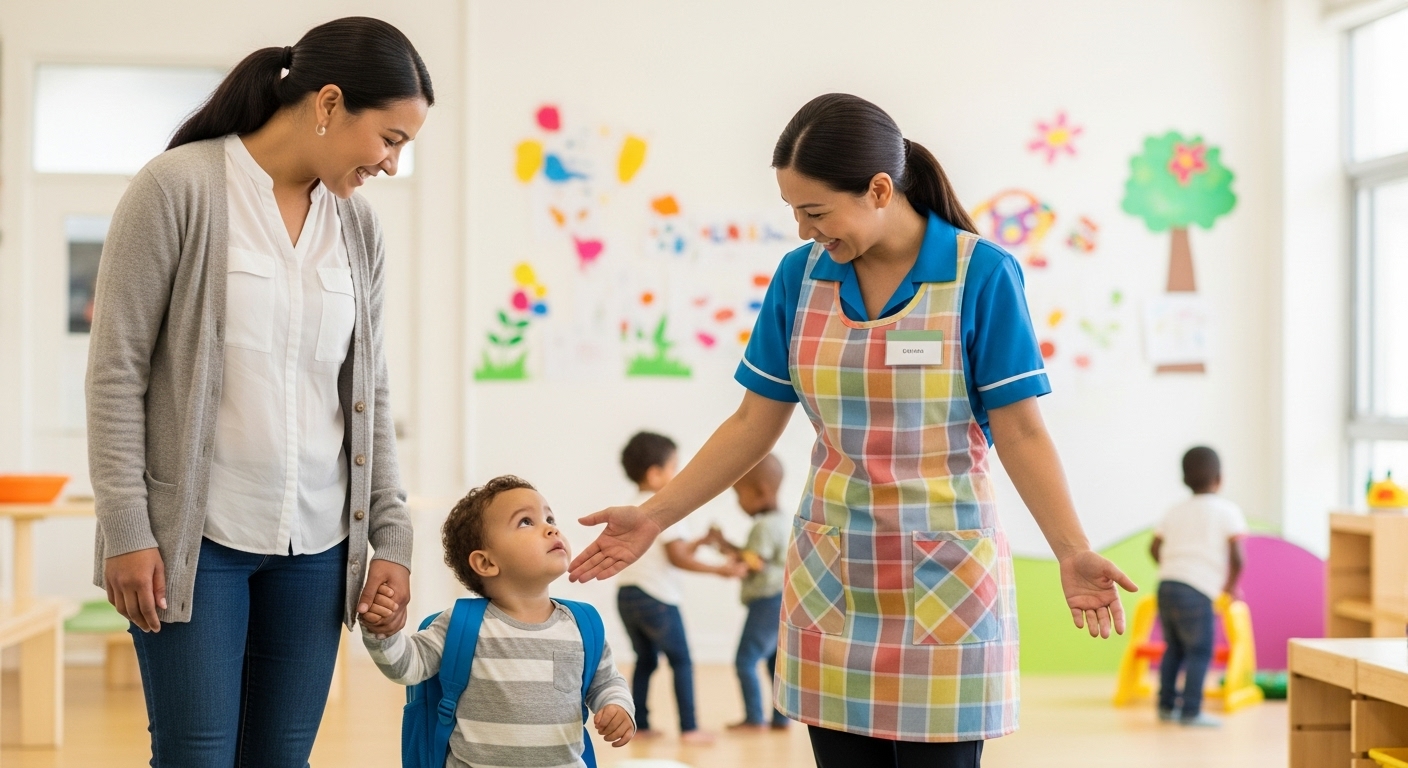
Practical scenarios are great opportunities to teach manners. Whether it’s greeting family members, interacting with peers at playgroup, or responding to adults in public, guiding children through real-life situations helps them understand when and how to be polite. 

5. Keep Instructions Simple and Age-Appropriate

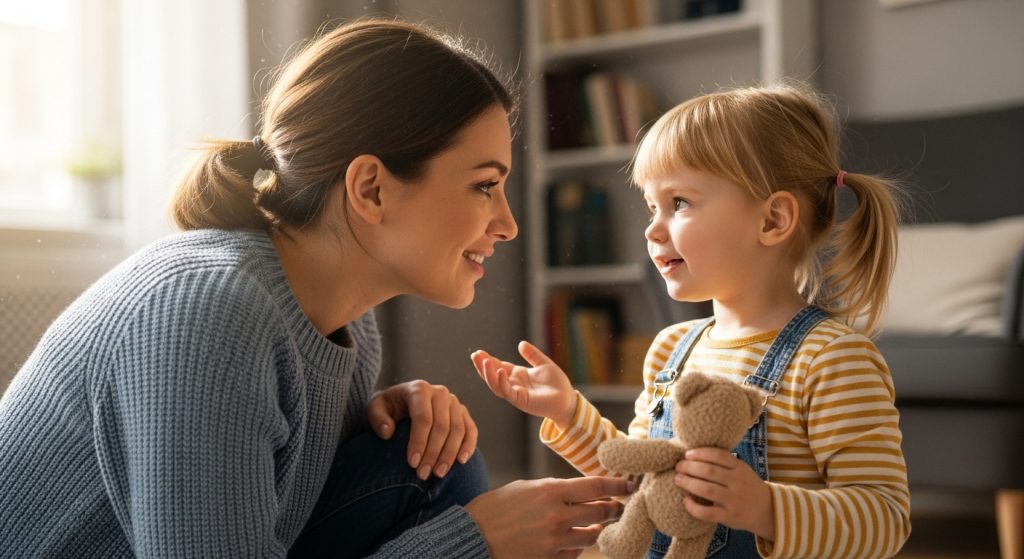
Young children respond best to clear, simple guidance. Instead of lengthy explanations, use short, specific instructions such as “Say thank you” or “Let your friend have a turn”. This makes it easier for children to remember and apply polite behaviours. 

6. Be Patient and Consistent

Learning manners is a gradual process, and children will make mistakes along the way. Consistency, gentle reminders, and patience are key. Over time, these repeated experiences help children internalise polite behaviour as a natural part of everyday life. 

Final Thoughts

Teaching good manners is a long-term investment in your child’s social and emotional development. By modelling respect, encouraging sharing, reinforcing positive behaviour, and guiding them through real-life interactions, parents can help children grow into polite, considerate, and confident individuals. 

If you’re ready to give your child a nurturing, creative, and joyful start, consider 4Kidz Childcare—where little ones explore, learn, and grow every day.    

👉 Ready to book a visit? Fill out the Famly Enquiry Form and our nursery staff will contact you. 

You can also reach us on 01707 817 404 or info@4kidzchildcare.co.uk

Share this post:

Recent Blog Posts

  • All Posts
  • Blog
  • News
  • Uncategorised
Raising Polite and Respectful Children

Teaching children good manners is more than memorising phrases—it’s about helping them develop respect, kindness and consideration for others. By...

18 December 2025

Categories